Science Pulse Daily Digest
Science Pulse Daily Digest
Science Pulse
EMAIL DIGESTS
Daily
Every morning
Weekly
Tuesday recap
EMAIL DIGESTS
Daily
Every morning
Weekly
Tuesday recap
Saturday, April 4, 2026
Market Intelligence for Science Professionals

Artemis II crew reaches lunar halfway point, streams new Earth images
NASA’s Orion spacecraft on the Artemis II mission passed the halfway mark to the Moon, about 192,000 km from Earth, on Friday. The four astronauts transmitted high‑resolution photographs of Earth’s cloud‑covered surface, underscoring the mission’s scientific and public‑relations goals.
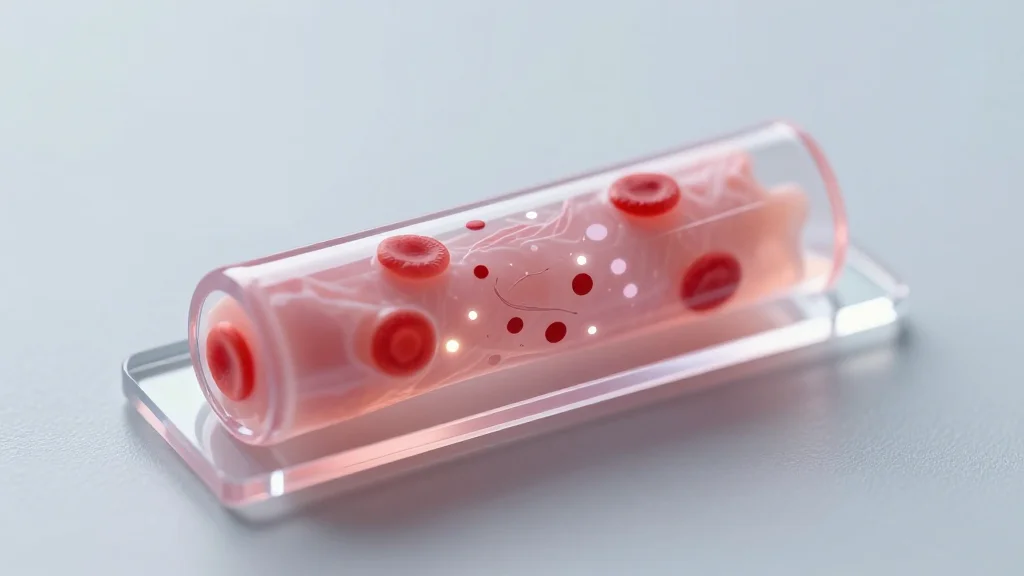
Sexually transmitted infections (STIs) not only impact an individual's health, but also result in multibillion-dollar economic losses worldwide. To study these diseases, a team of researchers has developed the first-of-its-kind, immune-capable organ-on-a-chip model that realistically reproduces the human cervical environment, allowing scientists to study how the microbiome, immune system, and STIs interact—something that has not been possible before with oversimplified cell cultures or animal models.
Medical Xpress

Theories long predicted how polarons form, but now there’s proof.
Popular Mechanics

A historic discovery in wave dynamics opens new doors for quantum information encoding.
Inc. — Leadership
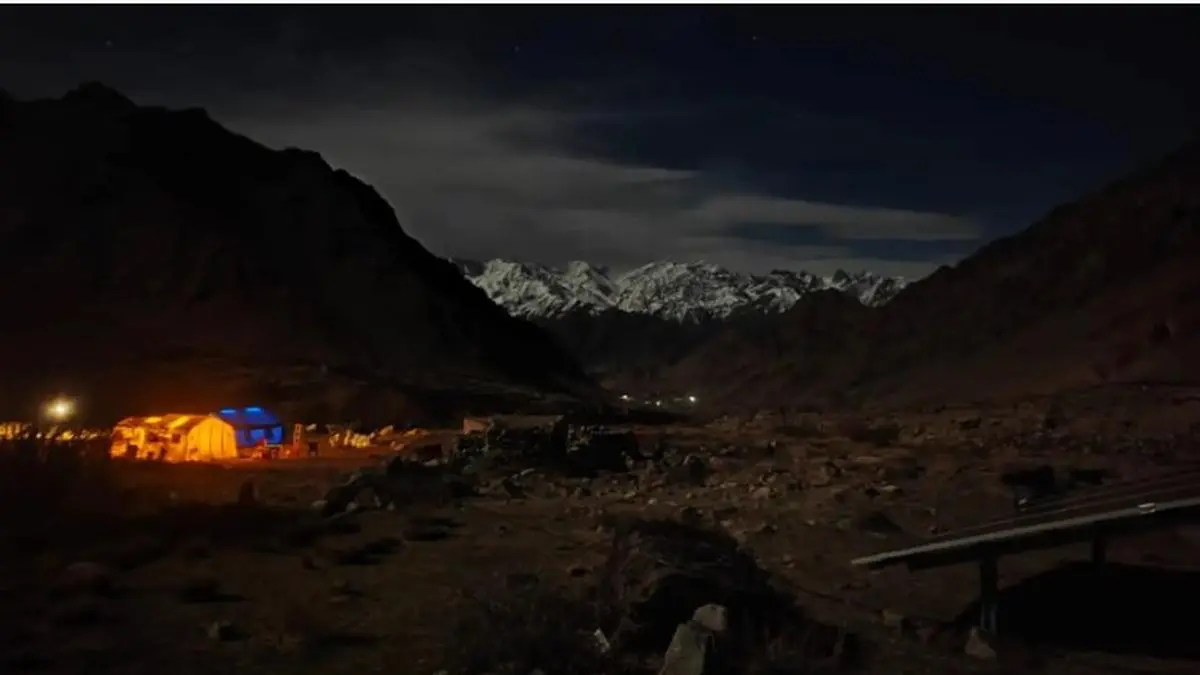
Conducted at around 3,500 metres in Leh until April 9, the mission simulates space-like environments such as hypoxia, low temperature, and isolation
The Hindu BusinessLine — Economy/Markets

"It's like Rubin Observatory is Netflix streaming the movie out to the public, in this case our scientific community," said Dr. Bob Blum.
Federal News Network
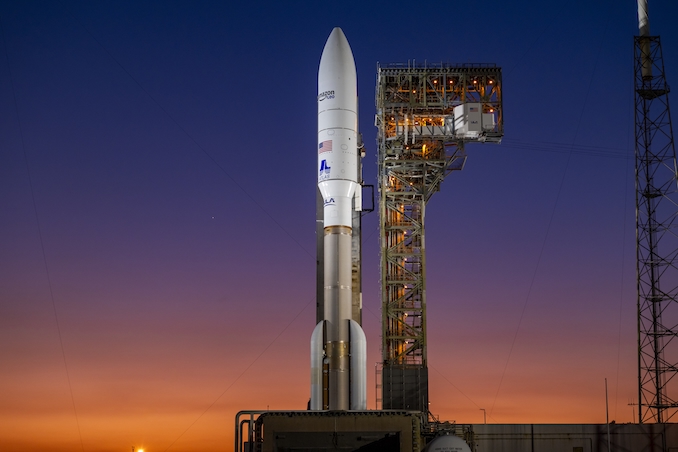 The United Launch Alliance (ULA) Atlas 5 rocket sits on Space Launch Complex 41 (SLC-41) at Cape Canaveral at sunset. This will be ULA’s fifth launch for the Amazon Leo broadband satellite constellation. United Launch Alliance launched its latest Atlas 5 rocket, which carried a batch of 29 Amazon Leo satellites to low Earth orbit. The mission was the largest and heaviest payload carried to orbit by an Atlas 5 rocket to date, according to ULA. The mission was called Amazon Leo 5 by ULA and Leo Atlas 5 (LA-05) by Amazon. This was the fifth launch of operational satellites by ULA and the ninth for the constellation, which included one flight by Arianespace’s Ariane 6 rocket and three flights on SpaceX Falcon 9 rockets. Liftoff of LA-05 happened Saturday, April 4, at 1:46 a.m. EDT (0546 UTC). The rocket headed out on a north-easterly trajectory upon leaving the launch pad. U.S. Space Force meteorologists predicted a 90 percent chance of acceptable weather for the launch. After completing its launch readiness review on March 26, the following morning, ULA began rolling out its 62.5-meter-tall (205 ft) rocket from its Vertical Integration Facility out to the pad at Space Launch Complex 41. The move began around 10 a.m. EDT (1400 UTC) and ULA reported a “hard down” at the pad at 11:16 a.m. EDT (1516 UTC). However, with high winds forecast for the rocket’s original launch date of March 29, ULA was forced to push back the launch until the next available launch date at Cape Canaveral after NASA’s Artemis 2 launch. The Atlas 5 rolled back to its hangar on Tuesday and returned to the pad Thursday. The 29 Amazon Leo satellites were released starting about 21 minutes after liftoff. There were 10 deployment sequences, which ended about 17 minutes later. The RL10C-1-1 engine on the Centaur 3 upper stage then reignited about 55 minutes after liftoff for a disposal burn, which will end the mission. The previous four missions for Amazon Leo launched on by Atlas 5 rockets carried 27 satellites each. ULA and Amazon Leo were able to increase the payload stack to 29 as “a result of detailed engineering work between ULA and Amazon,” according to ULA. Amazon pointed to ULA’s use of the RL10C-1-1 engine on the rocket’s upper stage as a key reason why they were able to add two more satellites to the mission. “While the engine has flown on previous missions, LA-05 marks the first time the program has completed the extensive engineering and safety analysis required to use it with our larger payload,” Amazon said in a blog post. “Our engineering teams capitalized on the additional performance margin, adding a fourth level to the previous three-tier dispenser configuration for Atlas 5.”
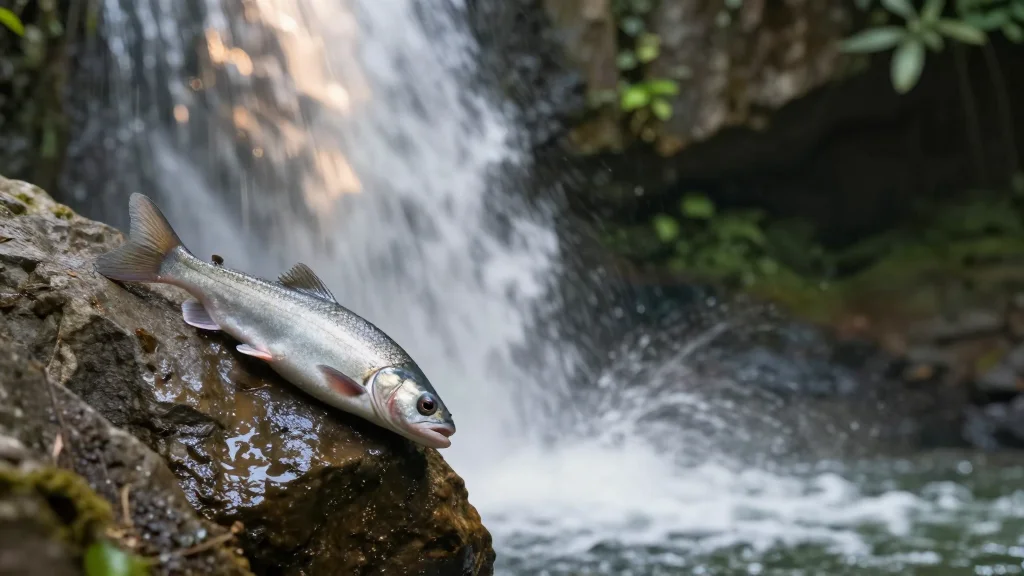
Shellear fish in the Congo Basin have been documented climbing 15-meter waterfalls using specialized fin pads and muscles, a journey that can take nearly 10 hours and is only completed by smaller individuals during seasonal floods. fishmigration


